Piles can begin as a minor inconvenience a little itching, discomfort or a spot of blood after passing stool. But when bleeding becomes frequent, a lump starts coming out or every bowel movement becomes stressful, it can begin affecting your everyday life.
Many patients delay consulting a doctor because they are worried about pain, hospitalisation or a long recovery after surgery. This is also why interest in laser surgery for piles in Bangalore has grown considerably.
Laser treatment can be a useful minimally invasive option for selected patients. It may involve less tissue injury, less bleeding and a more comfortable early recovery than conventional haemorrhoid surgery. However, laser is not automatically the best treatment for every patient or every grade of piles.
The right question is not simply, “Is laser surgery better?”
A better question is: “Is laser treatment appropriate for my type and grade of piles?”
This detailed guide explains how laser piles surgery works, who may benefit from it, what recovery feels like and what current medical research actually tells us.
What Are Piles?
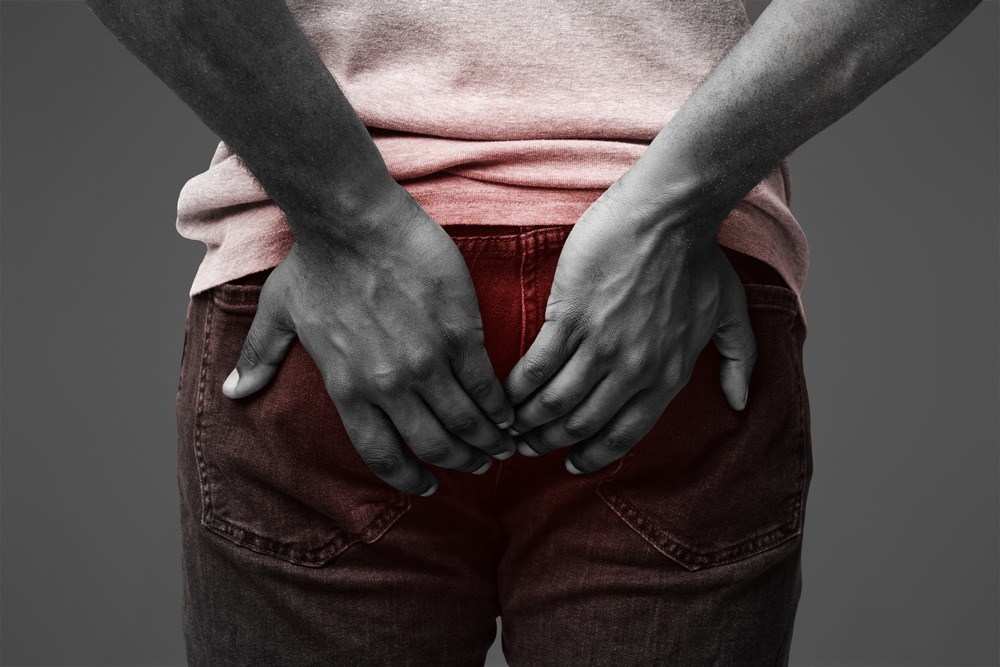
Piles, also known as haemorrhoids, are enlarged or swollen vascular tissues in and around the anus and lower rectum.
These vascular cushions are a normal part of the body and help with bowel control. They become a medical problem when they enlarge, bleed, prolapse or cause pain, itching and discomfort.
Piles are broadly divided into two types.
Internal piles
Internal piles develop inside the anal canal. They may cause:
- Bright-red bleeding while passing stool
- Blood on toilet paper or in the toilet bowl
- A mass coming out during a bowel movement
- Mucus discharge
- Itching or irritation
- A feeling of incomplete evacuation
Internal piles may bleed without causing significant pain.
External piles
External piles develop under the skin around the anal opening. They may cause:
- Pain or tenderness
- Swelling around the anus
- A hard or painful lump
- Itching
- Difficulty sitting comfortably
If a blood clot develops inside an external pile, it is called a thrombosed external haemorrhoid and can cause sudden, severe pain.
Why Do Piles Develop?
Piles usually develop because of repeated pressure on the blood vessels and supporting tissues around the rectum.
Common contributing factors include:
- Chronic constipation
- Passing hard stools
- Frequent straining
- Sitting on the toilet for a long time
- Using a mobile phone while sitting on the toilet
- A low-fibre diet
- Pregnancy
- Obesity
- Repeated heavy lifting
- Chronic diarrhoea
- Age-related weakening of supporting tissues
- Ignoring the urge to pass stool
Treatment should therefore address not only the enlarged piles but also constipation, straining and unhealthy toilet habits. A procedure may shrink or remove piles, but poor bowel habits can allow symptoms to return.
How Are Internal Piles Graded?
Doctors commonly classify internal piles into four grades:
Grade I piles
The piles remain inside the anal canal. Bleeding may be the main symptom, without any visible lump coming outside.
Grade II piles
The piles come out while passing stool but return inside on their own.
Grade III piles
The piles come out during a bowel movement and need to be gently pushed back inside.
Grade IV piles
The piles remain permanently outside and cannot be pushed back. There may be significant prolapse, swelling or associated external components.
The grade is important, but it is not the only factor used to choose treatment. Bleeding, pain, external piles, skin tags, constipation, previous treatment and the patient’s general health also matter.
What Is Laser Surgery for Piles?
“Laser piles surgery” is a broad term. It can refer to more than one procedure, and this is something many online advertisements fail to explain.
Two commonly discussed approaches are:
Laser haemorrhoidoplasty
In laser haemorrhoidoplasty, a fine laser fibre is introduced into the haemorrhoidal tissue through a small opening. Controlled laser energy is delivered inside the pile.
The heat causes the haemorrhoidal tissue to shrink and seals some of the blood vessels supplying it. Over time, the treated tissue contracts and becomes smaller.
Because the pile is treated internally instead of being completely cut away, there may be less injury to the sensitive skin around the anus.
Laser haemorrhoidectomy
In a laser-assisted haemorrhoidectomy, laser energy may be used as a cutting and coagulating tool while removing haemorrhoidal tissue.
This is different from laser haemorrhoidoplasty. Even though both procedures use laser technology, the amount of tissue removal, postoperative pain and recovery can differ.
When discussing laser piles treatment with a surgeon, ask for the exact name of the procedure. The word “laser” alone does not explain what will be done.
Who May Be Suitable for Laser Piles Treatment?
Laser haemorrhoidoplasty may be considered for selected patients with symptomatic internal piles, particularly some Grade II and Grade III cases.
A doctor may consider treatment when:
- Bleeding continues despite dietary and medical treatment
- Piles repeatedly come out during bowel movements
- Symptoms interfere with work or daily activities
- Conservative treatment has not provided adequate relief
- The patient experiences repeated irritation or mucus discharge
- Office-based procedures are unsuitable or have not worked
- The clinical pattern is suitable for a minimally invasive approach
Some Grade IV cases may require a different operation or a combination of procedures, particularly when there is significant external disease, large skin tags or permanently prolapsed tissue.
This is why a physical examination is essential before recommending laser treatment.
Does Every Patient With Piles Need Surgery?
No. Many people with early piles improve without surgery.
The 2024 American Society of Colon and Rectal Surgeons guidelines recommend dietary and behavioural changes as the first line of treatment for many patients. Early internal piles may also be treated using office-based procedures such as rubber-band ligation, injection treatment or infrared coagulation.
Non-surgical management may include:
- Increasing dietary fibre
- Drinking adequate fluids
- Treating constipation
- Avoiding straining
- Reducing time spent on the toilet
- Stool-softening medication when prescribed
- Short-term medicines for symptom relief
- Rubber-band ligation in suitable internal piles
- Sclerotherapy or coagulation procedures
Surgery is generally considered when symptoms are persistent, severe, recurrent or unsuitable for simpler treatment.
What Happens Before Laser Piles Surgery?
Before recommending a procedure, the doctor will ask about:
- Bleeding and its duration
- Pain during or after passing stool
- Constipation or diarrhoea
- A lump coming out of the anus
- Previous piles treatment
- Changes in bowel habits
- Current medicines
- Diabetes, heart disease or other medical conditions
- Use of aspirin or blood-thinning medication
- Personal or family history of bowel disease
The examination may include an inspection of the anal area, a digital rectal examination and anoscopy or proctoscopy.
Some patients may require blood tests. A colonoscopy or another bowel investigation may be advised if the bleeding pattern is unusual, if there has been a change in bowel habits or if the doctor needs to exclude another source of bleeding.
Rectal bleeding should not be labelled as piles without an appropriate evaluation.
How Is Laser Surgery for Piles Performed?
The precise steps depend on the procedure selected and the surgeon’s technique.
A typical laser haemorrhoidoplasty may involve the following:
- The patient receives suitable anaesthesia.
- The surgeon examines the anal canal and identifies the haemorrhoidal tissue.
- A small entry point is made near the pile.
- A thin laser fibre is carefully introduced into the haemorrhoid.
- Controlled laser energy is applied within the tissue.
- The energy reduces blood flow and causes the pile to shrink.
- The treated area is checked for bleeding and swelling.
Because the haemorrhoid is usually treated from within, large external wounds may be avoided in suitable cases. This can make the early recovery more comfortable than tissue-removing surgery.
However, the experience varies according to the grade of piles, number of haemorrhoids, type of anaesthesia and whether any additional procedure is performed.
How Long Does Laser Piles Surgery Take?
The procedure itself may be completed within a relatively short time in uncomplicated cases. The total time spent at the hospital is longer because it includes admission, preparation, anaesthesia, observation and discharge assessment.
Many patients can return home on the same day or after a short hospital stay. This depends on:
- The procedure performed
- The patient’s medical condition
- Recovery from anaesthesia
- Pain control
- Ability to pass urine
- Whether there is any postoperative bleeding
- The surgeon’s recommendation
“Day-care surgery” does not mean that the procedure requires no preparation or follow-up. It simply means that an overnight stay may not be required in suitable cases.
Is Laser Surgery for Piles Painless?
Laser piles surgery is often promoted as completely painless. That is not an accurate promise.
Patients may experience less early postoperative pain after laser haemorrhoidoplasty than after conventional excisional haemorrhoidectomy, but some discomfort is still possible.
After the procedure, a patient may notice:
- Mild or moderate pain
- A feeling of pressure or fullness
- Slight burning during bowel movements
- Minor bleeding or spotting
- Swelling around the anal area
- Temporary difficulty passing urine
- Anxiety during the first bowel movement
Pain depends on the procedure, grade of piles, individual sensitivity and whether external tissue has also been treated.
It is more responsible to describe laser treatment as potentially less painful in selected cases, rather than “100% painless.”
What Are the Possible Benefits of Laser Piles Surgery?
For appropriately selected patients, potential benefits may include:
- Less tissue cutting in laser haemorrhoidoplasty
- Reduced early postoperative pain
- Less blood loss during the procedure
- Lower risk of significant early postoperative bleeding
- Shorter procedure time in some cases
- Smaller wounds
- Shorter hospital stay
- Earlier return to routine activities
- Preservation of more normal anal tissue
- Lower risk of anal narrowing in some comparisons
A 2024 systematic review and meta-analysis reported that laser haemorrhoidoplasty was associated with less operative blood loss, lower early pain scores, shorter operating time and fewer postoperative bleeding events than conventional haemorrhoidectomy in the studies analysed.
These are meaningful short-term advantages, but they must be considered alongside long-term symptom control and recurrence.
What Does Research Say About Laser Piles Surgery?
Research suggests a genuine trade-off.
Laser haemorrhoidoplasty may provide a more comfortable early recovery. Conventional haemorrhoidectomy may offer more definitive removal in advanced disease, although it generally involves more postoperative discomfort.
In a randomised trial comparing laser haemorrhoidoplasty, excisional haemorrhoidectomy and sutured mucopexy, laser and mucopexy produced less early pain than excisional surgery. However, at one year, recurrence requiring treatment occurred more often after laser haemorrhoidoplasty than after excisional haemorrhoidectomy in that particular trial. The study is available through PubMed.
A later five-year follow-up of the same randomised trial reported estimated symptom recurrence of 24% after excisional haemorrhoidectomy, 29% after laser haemorrhoidoplasty and 44% after sutured mucopexy. The differences did not reach statistical significance, and the number of patients followed was relatively small.
Another randomised study comparing laser haemorrhoidoplasty with rubber-band ligation for Grade II piles found that both treatments improved symptoms. Laser-treated patients returned to normal activities sooner, while the one-year recurrence difference was not statistically significant. That study can be reviewed on PubMed.
A 2024 systematic review examining different laser wavelengths also found favourable pain and postoperative complication outcomes for laser treatment. However, recurrence findings varied according to the studies and techniques included.
The practical message is simple:
Laser may offer a gentler early recovery, but the most durable treatment still depends on the grade, anatomy and type of haemorrhoidal disease.
Technology should support clinical judgment—not replace it.
What Are the Risks of Laser Piles Surgery?
Laser treatment is generally considered minimally invasive, but no surgical procedure is risk-free.
Possible complications include:
- Pain or burning
- Postoperative bleeding
- Swelling
- Urinary retention
- Infection
- Thrombosis of external haemorrhoidal tissue
- Temporary difficulty passing stool
- Recurrence of bleeding or prolapse
- Need for another procedure
- Rare injury to surrounding tissue
Risk may be influenced by the grade of piles, the energy used, surgical technique, associated external disease and the patient’s overall health.
Discuss both expected benefits and possible limitations before deciding on treatment.
Can Piles Return After Laser Surgery?
Yes. Piles can recur after laser treatment, conventional surgery or office-based treatment.
Recurrence does not necessarily mean the procedure was performed incorrectly. Piles are influenced by ongoing factors such as:
- Chronic constipation
- Repeated straining
- Low-fibre diet
- Prolonged toilet sitting
- Obesity
- Pregnancy
- Frequent heavy lifting
- Untreated bowel problems
- Advanced haemorrhoidal disease
The chance of recurrence also depends on the procedure selected and whether all relevant components of the disease were treated.
Long-term success requires both appropriate treatment and better bowel habits.
Laser Surgery Versus Conventional Piles Surgery
| Factor | Laser haemorrhoidoplasty | Conventional haemorrhoidectomy |
|---|---|---|
| Tissue removal | Usually limited or absent | Enlarged tissue is removed |
| Early pain | Often lower | Usually higher |
| Wound size | Usually smaller | Larger surgical wound |
| Bleeding | Often less | May be greater |
| Return to routine | Often earlier | Usually takes longer |
| Advanced external piles | May not treat all components | May be more suitable |
| Long-term durability | Depends on grade and technique | Often preferred for extensive disease |
| Recurrence | Possible | Possible, but may be lower in some situations |
This is a general comparison. The actual experience depends on the specific operation, anaesthesia, disease severity and surgeon’s assessment.
How Long Is Recovery After Laser Piles Surgery?
Many patients can begin walking soon after the procedure and resume light activities within a few days. Return to office work may be possible relatively early, particularly when the job does not involve heavy physical activity.
Recovery may take longer if:
- Multiple piles were treated
- External tissue was removed
- The patient has severe constipation
- The work involves lifting or prolonged sitting
- There is swelling or postoperative pain
- Another procedure was performed at the same time
Do not schedule surgery solely around an advertised recovery period. Ask the surgeon what is realistic for your specific condition and occupation.
What Is the First Bowel Movement Like?
The first bowel movement is a common source of anxiety.
There may be mild pain, burning or a small amount of blood. Fear can make a person delay passing stool, which may lead to harder stools and more discomfort.
Doctors commonly advise patients to:
- Take prescribed stool-softening medication
- Drink sufficient fluids
- Eat fibre-rich food
- Avoid excessive straining
- Use pain medicine as prescribed
- Maintain local hygiene
- Follow sitz-bath instructions if advised
Do not take strong laxatives or apply unprescribed creams to the operated area without checking with the treating doctor.
Diet After Laser Piles Treatment
During recovery, choose food that supports comfortable bowel movements.
Helpful choices may include:
- Cooked vegetables
- Fruits such as papaya, pear, orange and apple
- Whole grains
- Oats
- Dal and pulses
- Soups
- Curd, if well tolerated
- Adequate water and other suitable fluids
Reduce foods that worsen constipation or digestive discomfort for you. There is no single compulsory “piles diet” for everyone.
Fibre works best when accompanied by adequate fluid. Increasing fibre without sufficient hydration may make bloating or constipation worse in some people.
Questions to Ask Before Choosing Laser Treatment
Before making a decision, ask your surgeon:
- What grade and type of piles do I have?
- Is the bleeding definitely coming from piles?
- Do I also have a fissure, fistula, skin tag or external piles?
- Do I need surgery, or can my condition be treated without it?
- Which exact laser procedure are you recommending?
- Will any tissue be removed?
- What type of anaesthesia will be used?
- How much discomfort should I realistically expect?
- When can I return to work, driving and exercise?
- What is the chance that my symptoms may return?
- What happens if laser treatment does not resolve the prolapse?
- Which symptoms after surgery require urgent attention?
A trustworthy consultation should answer these questions clearly without pressuring you into immediate surgery.
What Should You Avoid After Surgery?
During the initial recovery period, the doctor may advise you to avoid:
- Straining during bowel movements
- Heavy lifting
- Prolonged sitting
- Intense exercise
- Driving immediately after anaesthesia
- Skipping prescribed medicines
- Ignoring constipation
- Using unapproved local creams
- Missing follow-up appointments
Follow the discharge instructions given by your surgeon, as recovery advice can vary between procedures.
When Should You Contact the Hospital After Surgery?
Contact your treating team if you develop:
- Heavy or continuous bleeding
- Large blood clots
- Increasing pain not controlled by prescribed medicine
- Fever
- Pus or foul-smelling discharge
- Severe swelling
- Inability to pass urine
- Persistent vomiting
- Dizziness or fainting
- Difficulty passing stool despite following medical advice
A small amount of spotting may occur, but significant or increasing bleeding needs assessment.
How Much Does Laser Piles Surgery Cost in Bangalore?
The cost of laser piles surgery in Bangalore is not the same for every patient.
It can vary depending on:
- Grade and number of piles
- Exact procedure performed
- Whether external piles or skin tags are also treated
- Type of anaesthesia
- Tests required before surgery
- Day-care or hospital admission
- Surgeon and hospital charges
- Medicines and follow-up care
- Insurance or healthcare-scheme eligibility
A meaningful cost estimate can only be given after examination. Very low package prices may not include anaesthesia, investigations, medicines or treatment of additional disease.
Patients should request a written estimate explaining what is and is not included.
Laser Piles Treatment at Sri Arogya Hospital, Bangalore
At Sri Arogya Hospital, Ramamurthy Nagar, patients with rectal bleeding, painful bowel movements, anal swelling or suspected piles can undergo a detailed surgical evaluation.
The consultation focuses on identifying:
- Whether the symptoms are actually caused by piles
- The type and grade of haemorrhoids
- Whether a fissure or another condition is also present
- Whether surgery is genuinely required
- Which treatment is appropriate for the individual patient
Patients requiring surgical evaluation can consult Dr. V. Devendran, General, Laparoscopic and Laser Surgeon and Proctologist, at Sri Arogya Hospital.
Treatment may include dietary and constipation management, medication, office-based care or a surgical procedure depending on the diagnosis. Laser treatment may be recommended when it offers a meaningful advantage for the patient’s condition.
If you are looking for laser surgery for piles in Bangalore, book an evaluation at Sri Arogya Hospital before deciding on a treatment based only on online advertisements.
The goal is not simply to use the newest technology. It is to select the treatment most likely to give safe, lasting relief.