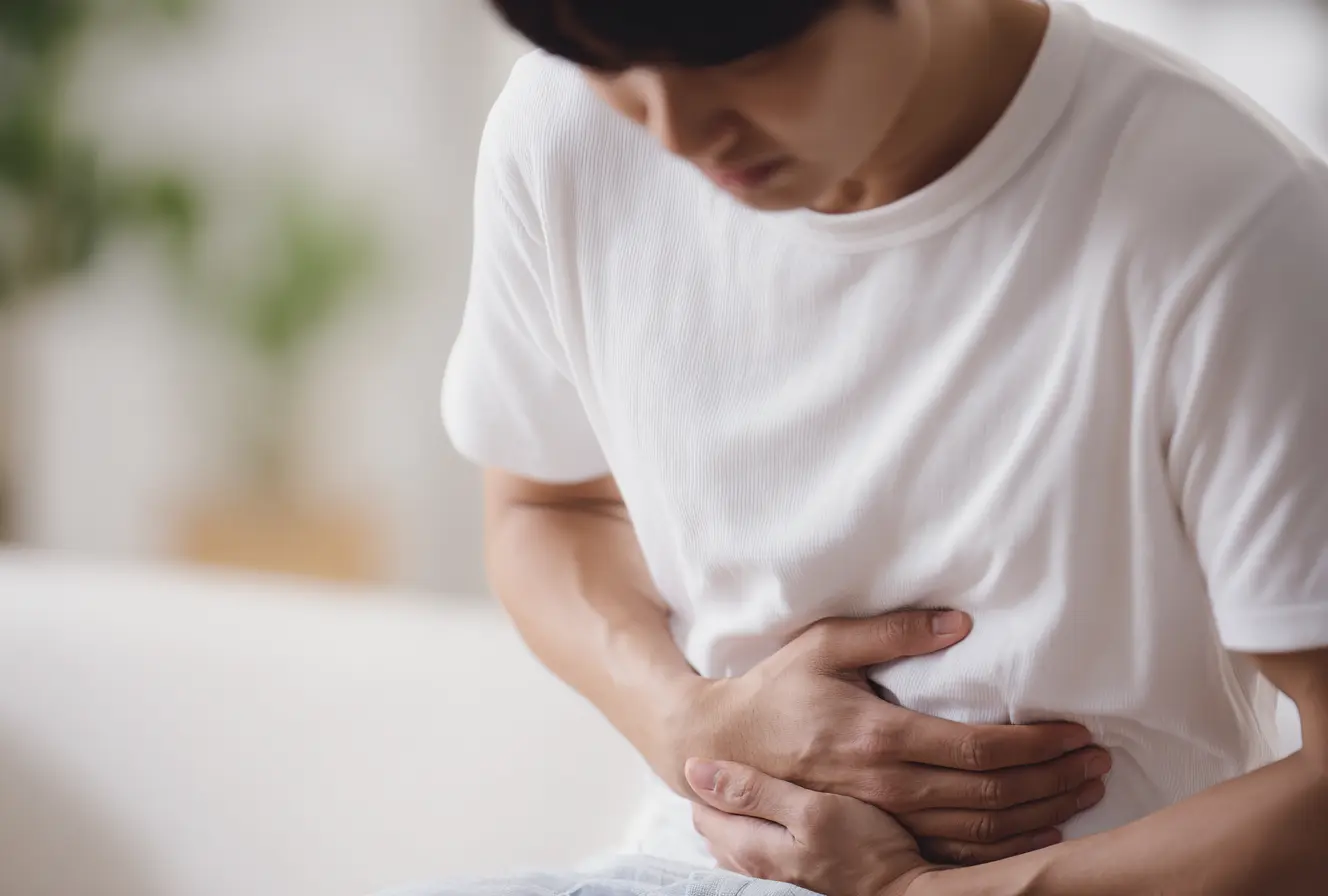
Pain while passing stool. A spot of fresh blood on the toilet paper. A lump or swelling near the anus.
When these symptoms appear, most people assume they have piles. Some buy a cream from a pharmacy, change their diet and wait for the problem to settle. Sometimes it does. Sometimes the pain keeps returning because the actual condition is not piles at all.
Piles, anal fissures and anal fistulas affect the same general area, but they are completely different conditions:
- Piles are enlarged or displaced vascular cushions inside or around the anus.
- An anal fissure is a small tear in the lining of the anal canal.
- An anal fistula is an abnormal tunnel connecting an infected anal gland to the skin near the anus.
The simplest way to remember the difference is:
Piles usually cause bleeding or a protruding lump. A fissure usually causes sharp pain during and after passing stool. A fistula usually causes repeated swelling, pus or discharge.
This is only a general guide. Symptoms often overlap, and an examination is the safest way to determine what is actually causing the problem.
Piles, Fissure and Fistula at a Glance
| Feature | Piles | Anal fissure | Anal fistula |
|---|---|---|---|
| What is it? | Enlarged or displaced vascular tissue | A tear in the anal lining | An abnormal tunnel caused by infection |
| Typical pain | Internal piles may be painless; external piles can hurt | Sharp or burning pain during and after stool | Constant or throbbing pain, often with swelling |
| Bleeding | Usually fresh and bright red | Usually a small amount of bright-red blood | Blood may occur with pus or discharge |
| Lump | A soft or firm swelling may be present | A small skin tag may develop in chronic cases | A small opening, boil or recurrent swelling may appear |
| Discharge | Mucus may occur with prolapsing piles | Discharge is uncommon | Repeated pus or foul-smelling discharge is common |
| Fever | Uncommon | Uncommon | May occur if an abscess is present |
| Common cause | Straining, constipation and pressure | Hard stool, trauma and muscle spasm | Previous or ongoing anal abscess |
| Can it heal with medicines? | Early piles may improve | Many acute fissures can heal | A persistent fistula usually needs a procedure |
| Is surgery always required? | No | No | Often required for a confirmed fistula |
What Are Piles?
Piles, medically known as haemorrhoids, develop when the normal vascular cushions inside or around the anus become enlarged, displaced or inflamed.
These cushions are not abnormal by themselves. Everyone has them, and they assist with bowel control. They become “piles” when they begin causing bleeding, prolapse, itching, pain or discomfort.
The National Institute of Diabetes and Digestive and Kidney Diseases classifies haemorrhoids as internal or external, depending on where they develop.
Internal piles
Internal piles develop inside the anal canal. Their common symptoms include:
- Fresh, bright-red blood after passing stool
- Blood on toilet paper or in the toilet bowl
- A lump coming out during a bowel movement
- Mucus discharge
- Itching or irritation
- A feeling of incomplete evacuation
A common misconception is that piles must always be painful. In reality, early internal piles frequently bleed without causing significant pain.
External piles
External piles develop under the skin around the anal opening. They may cause:
- A lump near the anus
- Tenderness
- Itching
- Swelling
- Pain while sitting
If a blood clot forms inside an external pile, it becomes a thrombosed external haemorrhoid. This can produce a sudden, firm and intensely painful lump.
What Causes Piles?
Piles are associated with repeated pressure on the anal and rectal tissues.
Contributing factors include:
- Chronic constipation
- Passing hard stools
- Excessive straining
- Sitting on the toilet for long periods
- Pregnancy
- Obesity
- Frequent heavy lifting
- Chronic diarrhoea
- A low-fibre diet
- Age-related weakening of supporting tissue
Spending ten or fifteen minutes scrolling through a phone while sitting on the toilet may feel harmless. However, prolonged toilet sitting increases pressure on the anal cushions and can aggravate existing piles.
What Are the Four Grades of Internal Piles?
Doctors commonly divide internal piles into four grades:
Grade I
The piles remain inside the anal canal. Bleeding may be the only symptom.
Grade II
The piles come out while passing stool but return inside on their own.
Grade III
The piles come out during a bowel movement and have to be gently pushed back inside.
Grade IV
The piles remain outside and cannot be pushed back. These may cause persistent swelling, discomfort or hygiene difficulties.
The grade helps guide treatment, but it does not tell the entire story. External piles, skin tags, bleeding, constipation and previous treatment must also be considered.
What Is an Anal Fissure?
An anal fissure is a small split or tear in the sensitive lining of the anal canal.
The pain can be surprisingly severe compared with the size of the tear. Patients often describe it as cutting, stinging or burning. The pain usually begins while passing stool and may continue for several minutes or even hours afterwards.
The American Society of Colon and Rectal Surgeons identifies pain and bleeding during bowel movements as the typical symptoms of an anal fissure.
Common symptoms of an anal fissure
- Sharp pain while passing stool
- Burning pain after a bowel movement
- A small amount of bright-red blood
- Fear of going to the toilet because of pain
- Tightness or muscle spasm around the anus
- Itching or irritation
- A small skin tag in chronic cases
Between bowel movements, a person with a fissure may feel relatively comfortable. The pain then returns during the next bowel movement.
That pain pattern is one of the most useful clues distinguishing a fissure from piles or a fistula.
Why Does a Fissure Hurt So Much?
The anal lining has many sensitive nerve endings. When hard stool stretches an existing tear, it exposes and irritates these nerves.
Pain can also trigger spasm of the internal anal sphincter—the ring of muscle that helps control the anus. The spasm reduces blood flow to the injured area and makes healing more difficult.
This creates a cycle:
Hard stool → tear → pain → muscle spasm → reduced healing → more pain during the next stool
Breaking this cycle is an important part of fissure treatment.
What Causes an Anal Fissure?
A fissure most commonly develops after trauma to the anal lining.
Possible causes include:
- Passing a hard or unusually large stool
- Chronic constipation
- Frequent diarrhoea
- Straining during bowel movements
- Childbirth
- Local injury
- Inflammatory bowel disease
- Certain infections
- Previous anal procedures
Most fissures occur in a typical position in the front or back of the anal canal. Multiple fissures or a fissure in an unusual location may prompt the doctor to investigate an underlying condition such as Crohn’s disease or an infection.
Acute vs Chronic Anal Fissure
An acute fissure is relatively recent and may heal with dietary changes, stool-softening treatment and prescribed local medication.
A fissure that persists for around six weeks or develops long-standing changes is generally described as chronic. A chronic fissure may have:
- Exposed internal muscle fibres
- Thickened edges
- A small skin tag called a sentinel tag
- An enlarged internal anal papilla
- Repeated muscle spasm
The word “sentinel pile” is sometimes used for the skin tag associated with a chronic fissure. Despite its name, it is not the same as haemorrhoidal piles. This confusing terminology is one reason patients frequently misidentify their condition.
What Is an Anal Fistula?
An anal fistula is an abnormal channel connecting the inside of the anal canal to an opening on the skin near the anus.
It usually begins with an infection in a small anal gland. The infection forms a collection of pus called an abscess. When the abscess drains—either naturally or through a medical procedure—a tunnel may remain between the anal canal and the skin.
The outer opening may temporarily close, but if the internal infection continues, swelling and discharge can return.
The American Society of Colon and Rectal Surgeons explains that anal pain, swelling, redness and fever are common with an abscess, while continued drainage from an opening near the anus suggests a fistula.
Common symptoms of an anal fistula
- Repeated pus discharge near the anus
- A small opening or hole in the skin
- Constant or throbbing anal pain
- Recurrent swelling in the same area
- Foul-smelling discharge
- Blood mixed with the discharge
- Skin irritation
- Pain while sitting, coughing or moving
- Fever when an abscess develops
- Temporary relief after the swelling bursts and drains
The recurring nature of these symptoms is an important clue. A person may feel better after pus drains, only for the swelling to return days or weeks later.
What Causes an Anal Fistula?
Most anal fistulas arise after an anorectal abscess caused by infection of an anal gland.
Less common causes include:
- Crohn’s disease
- Tuberculosis
- Trauma
- Previous anal surgery
- Radiation treatment
- Certain infections
- Malignancy in rare cases
A fistula is not caused simply by eating spicy food, sitting on a warm surface or poor hygiene. These common beliefs can delay proper treatment.
Piles vs Fissure: How Can You Tell the Difference?
Piles and fissures can both cause fresh bleeding, but the pattern of pain is usually different.
It may be piles when:
- Bleeding is the main symptom
- Blood is fresh and bright red
- Internal bleeding is relatively painless
- A lump comes out while passing stool
- There is itching or mucus discharge
- There is a history of prolonged straining
It may be a fissure when:
- Pain is sharp or cutting
- Pain begins while passing stool
- Burning continues afterwards
- Only a small amount of blood is present
- You avoid bowel movements because of pain
- Symptoms began after constipation or a hard stool
The distinction becomes more difficult when a person has thrombosed external piles, because these can also cause severe pain.
Some patients have both piles and a fissure at the same time.
Fissure vs Fistula: What Is the Difference?
The words sound similar, but the conditions are unrelated.
A fissure is a surface tear. A fistula is a tunnel created by infection.
With a fissure, pain is closely connected to passing stool. With a fistula, pain may be constant and accompanied by pus, swelling or a small opening near the anus.
| Feature | Anal fissure | Anal fistula |
|---|---|---|
| Main problem | A tear | An infected tunnel |
| Pain pattern | Sharp pain during and after stool | Constant, throbbing or recurrent pain |
| Discharge | Uncommon | Pus or foul-smelling fluid is common |
| External opening | Usually absent | Often present |
| Common trigger | Hard stool or constipation | Previous anal abscess |
| Fever | Uncommon | Possible during active infection |
| Treatment | Often begins with medicines | Usually requires a surgical plan |
The NHS guide to anal fistula lists constant throbbing pain, smelly discharge, pus, blood, swelling and redness among the common symptoms.
Piles vs Fistula: How Are They Different?
Piles are enlarged vascular tissues. A fistula is an infected passage.
Piles may cause bleeding, prolapse and itching. A fistula is more likely to cause repeated boils, pus discharge and a persistent skin opening.
Piles are often linked to constipation and straining. A fistula usually follows an abscess or anal-gland infection.
Creams intended for piles will not close a fistula. They may temporarily soothe skin irritation while the infected tract remains underneath.
Does the Colour of Blood Help?
The colour and position of the blood can offer clues:
- Bright-red blood on toilet paper may occur with piles or a fissure.
- Blood coating the stool may come from the anus or lower rectum.
- Blood mixed throughout the stool requires medical evaluation.
- Blood mixed with pus may occur with an infected fistula.
- Dark-red, maroon or black stool may indicate bleeding from further inside the digestive system.
Do not use colour alone to diagnose yourself. Rectal bleeding has several possible causes, and not all of them are related to piles, fissures or fistulas.
What Does the Lump Feel Like?
Patients frequently use the word “lump” to describe different things.
A lump may represent:
- A prolapsing internal pile
- A thrombosed external pile
- Swollen external haemorrhoidal tissue
- A sentinel skin tag caused by a chronic fissure
- An anal abscess
- The external opening of a fistula
- A harmless skin tag
- Another growth requiring examination
A painful, hot or rapidly enlarging swelling—particularly with fever—may indicate an abscess and needs urgent assessment.
Can Piles, Fissure and Fistula Occur Together?
Yes. These conditions are different, but one person can have more than one.
For example, long-standing constipation may contribute to both piles and a fissure. An abscess may drain and leave behind a fistula. A chronic fissure may develop a skin tag that the patient mistakes for piles.
This is why treating symptoms based only on an internet photograph or pharmacy advice can be misleading.
How Does a Doctor Diagnose the Difference?
Diagnosis usually begins with a conversation about:
- When the symptoms started
- Whether pain occurs during or between bowel movements
- Colour and amount of bleeding
- Presence of pus or mucus
- Constipation or diarrhoea
- A lump coming out
- Previous episodes of swelling
- Fever
- Earlier surgery or abscess drainage
- Other digestive or medical conditions
The examination may include:
Visual inspection
The doctor checks for a fissure, external pile, skin tag, swelling, abscess or fistula opening.
Digital rectal examination
A gloved finger may be used to assess tenderness, internal lumps and muscle tone. This may be postponed or performed very gently when an acute fissure is extremely painful.
Anoscopy or proctoscopy
A short instrument allows the doctor to examine the anal canal and lower rectum. The NIDDK guide to haemorrhoid diagnosis explains that anoscopy may be used to identify internal piles and other lower digestive-tract problems.
MRI fistulogram
MRI may be advised for a complex, recurrent or deep fistula. It helps map the tract, identify branches and show its relationship with the muscles responsible for bowel control.
Colonoscopy
Not everyone with anal symptoms requires a colonoscopy. It may be recommended when there is unexplained bleeding, anaemia, weight loss, a change in bowel habits, family history or concern about another bowel condition.
How Are Piles Treated?
Early piles may improve with:
- More fibre in the diet
- Adequate fluid intake
- Treatment for constipation
- Avoiding straining
- Shorter toilet visits
- Regular physical activity
- Stool-softening medication when prescribed
The NIDDK guidance on haemorrhoid treatment recommends fibre, appropriate fluid intake and avoiding prolonged straining as common first-line measures.
When symptoms continue, treatment may include:
- Rubber-band ligation
- Sclerotherapy
- Infrared or other coagulation procedures
- Laser haemorrhoidoplasty
- Stapled haemorrhoidopexy
- Haemorrhoidal artery ligation
- Conventional haemorrhoidectomy
The appropriate treatment depends on the grade, symptoms and external component. Laser is one option, not a compulsory treatment for every case.
How Is an Anal Fissure Treated?
Treatment aims to soften the stool, reduce muscle spasm and allow the tear to heal.
It may include:
- Fibre and adequate fluids
- Stool-softening treatment
- Warm sitz baths
- Prescribed local medication
- Pain-relieving treatment
- Medicines that relax the anal sphincter
- Botulinum toxin injection in selected cases
- Surgery for a chronic fissure that does not heal
A procedure called lateral internal sphincterotomy may be considered for selected chronic fissures. It involves dividing a controlled portion of the internal sphincter to reduce spasm and improve healing.
Treatment must be individualised because sphincter surgery can affect bowel control in a small number of patients. Previous childbirth injury, earlier anal surgery and existing continence problems should be discussed with the surgeon.
How Is an Anal Fistula Treated?
A persistent anal fistula usually does not close permanently with creams or antibiotics alone because the infected tunnel remains.
Treatment depends on:
- Location of the internal and external openings
- Number of branches
- Amount of sphincter muscle involved
- Previous procedures
- Presence of an abscess
- Crohn’s disease or another underlying condition
- Existing bowel-control function
Procedures may include:
- Fistulotomy
- Seton placement
- LIFT procedure
- Advancement flap
- Laser fistula closure in selected cases
- Other sphincter-preserving techniques
The central goal is to heal the fistula while protecting the muscles responsible for bowel control. This balance is also emphasised in the ASCRS clinical practice guidelines for anorectal abscess and fistula.
No single fistula procedure is best for every patient. A simple low fistula and a complex high fistula require different planning.
Can These Conditions Heal Without Surgery?
Piles
Early piles may improve with dietary changes, constipation treatment and office-based procedures. Surgery is not always necessary.
Anal fissure
Many recent fissures can heal with stool-softening measures and prescribed medication. Chronic fissures are less likely to heal without targeted treatment.
Anal fistula
A confirmed fistula usually requires a surgical or procedural approach. Antibiotics may control surrounding infection but generally do not remove the tract.
Common Self-Treatment Mistakes
Assuming every episode of bleeding is piles
Rectal bleeding can have several causes. Repeated or unexplained bleeding should be examined.
Using steroid-containing creams for weeks
Some creams are intended only for short-term use. Prolonged unsupervised use may irritate or thin the skin.
Avoiding food to avoid passing stool
Eating less does not solve a fissure. It may disturb digestion and make bowel movements more irregular.
Delaying stool because of pain
Holding stool allows it to become harder, which can worsen a fissure.
Trying to burst a painful swelling
A painful lump may be an abscess. Attempting to drain it at home can spread infection.
Taking antibiotics repeatedly for fistula discharge
Antibiotics may temporarily reduce infection, but a persistent fistula tract often remains.
Choosing a procedure only because it is called “laser”
The correct procedure depends on the diagnosis and anatomy. Laser treatment is helpful in selected situations but is not automatically superior for every pile, fissure or fistula.
When Should You Seek Urgent Medical Attention?
Consult a doctor urgently if you have:
- Heavy or continuous rectal bleeding
- Large blood clots
- Black or tar-like stool
- Severe, rapidly increasing anal pain
- A hot or swollen lump near the anus
- Fever or chills
- Pus discharge with worsening pain
- Dizziness or fainting
- Difficulty passing urine
- Severe abdominal pain
- Persistent vomiting
- Significant weakness or breathlessness
A painful swelling with fever may be an abscess. Delaying drainage can allow the infection to spread.
Warning Signs That Should Not Be Labelled as Piles
Arrange a medical evaluation if anal symptoms occur with:
- Unexplained weight loss
- Persistent change in bowel habits
- Blood mixed throughout the stool
- Ongoing abdominal pain
- Anaemia
- Unusual tiredness
- Family history of colorectal cancer
- Symptoms beginning later in life
- Recurrent diarrhoea
- Multiple or unusually located fissures
- A fistula that repeatedly returns after treatment
These symptoms do not automatically mean cancer or inflammatory bowel disease, but they should not be ignored.
Which Doctor Should You Consult?
A general surgeon, proctologist or colorectal surgeon can evaluate piles, fissures, fistulas and related anorectal conditions.
The consultation should establish:
- What is causing the symptoms?
- Is more than one condition present?
- Is there an active abscess or infection?
- Can the condition improve without surgery?
- If a procedure is required, which option protects normal anal function while treating the disease?
An accurate diagnosis is more important than starting treatment quickly without knowing the cause.
Piles, Fissure and Fistula Treatment in Bangalore
If you are experiencing bleeding while passing stool, sharp anal pain, a protruding lump, recurrent swelling or pus discharge, you can undergo a proctology evaluation at Sri Arogya Hospital, Ramamurthy Nagar, Bangalore.
Patients can consult Dr. V. Devendran, General, Laparoscopic and Laser Surgeon and Proctologist, for assessment of piles, anal fissures, anal fistulas, abscesses and related surgical conditions.
The evaluation helps determine whether symptoms can be managed through dietary changes and medication or whether an office-based, minimally invasive or surgical procedure is needed.
If you are looking for a piles, fissure or fistula specialist in Bangalore, book an appointment rather than continuing treatment based only on guesswork.
The three conditions may sound similar, but the correct treatment begins by recognising the difference.
Sri Arogya Hospital
Email: sriarogyahospital@gmail.com
| Opened 24/7 For You |