Joint pain rarely begins dramatically.
It may start as a slight discomfort while climbing stairs, stiffness after waking up, shoulder pain while reaching overhead or a knee that does not feel as steady as it once did. Many people continue working around the pain, hoping that rest or a pain-relief tablet will solve it.
Sometimes it does. But when the pain keeps returning, begins limiting movement or is accompanied by swelling and stiffness, it deserves a proper orthopaedic evaluation.
If you are searching for the best orthopaedic doctor in Ramamurthy Nagar for joint pain, the right doctor should do more than prescribe temporary pain relief. The consultation should identify why the joint hurts, how the problem affects your movement and which treatment can help you return safely to your normal activities.
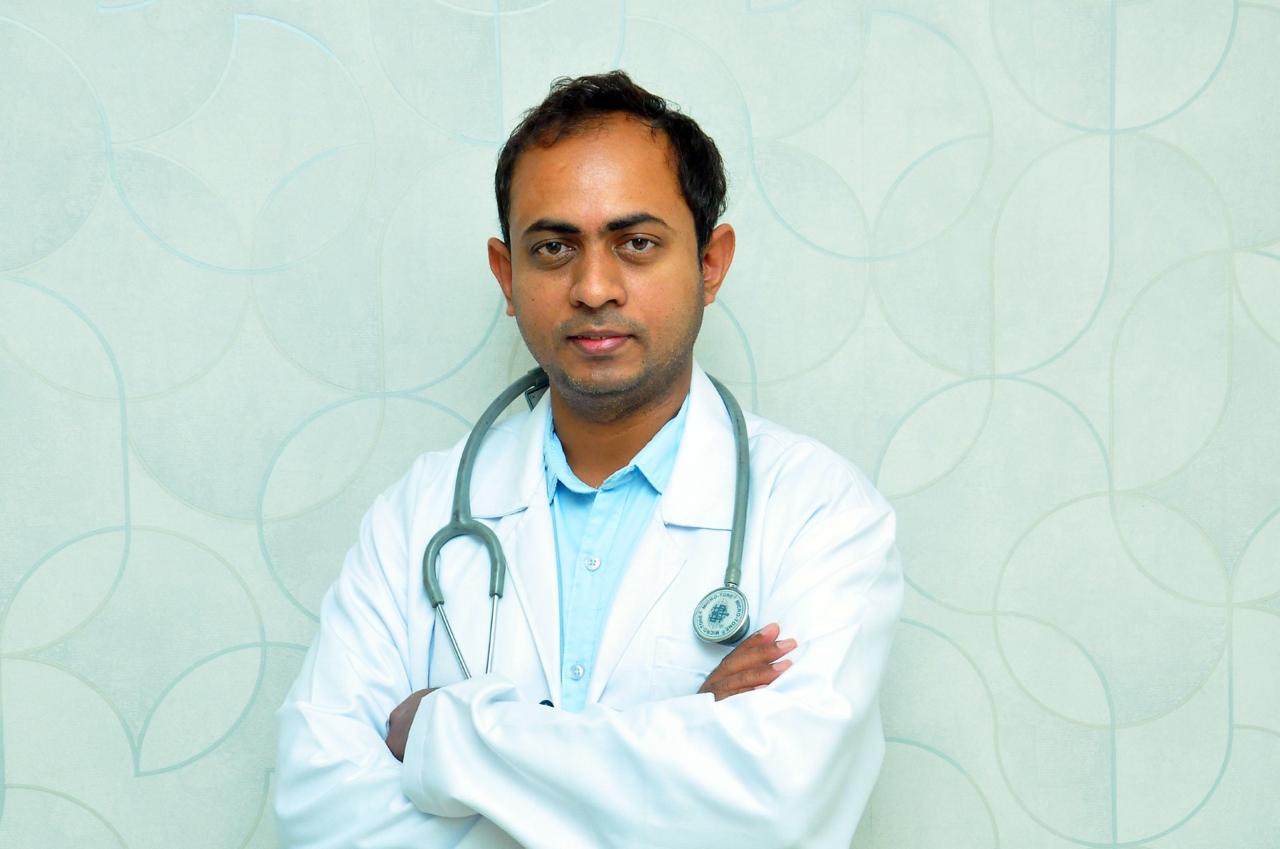
At Sri Arogya Hospital, Ramamurthy Nagar, patients can consult Dr. Ram Anjineyulu, Consultant Orthopaedic Surgeon, for joint pain, arthritis, fractures, sports injuries and other bone and joint conditions.
Meet Dr. Ram Anjineyulu
Dr. Ram Anjineyulu is a Consultant Orthopaedic Surgeon with qualifications including:
- MBBS
- DNB (Orthopaedics)
- FIJR
- FASM (ISAKOS)
His areas of clinical focus include:
- Knee and shoulder conditions
- Joint replacement
- Sports injuries
- Knee arthroscopy
- Shoulder arthroscopy
- Fracture care
- Arthritis management
- Musculoskeletal injuries
Patients experiencing persistent joint pain, stiffness, swelling, reduced movement or difficulty performing everyday activities can consult Dr. Ram Anjineyulu at Sri Arogya Hospital for an individualised orthopaedic assessment.
You can also view Dr. Ram Anjineyulu’s Google Business Profile for location and practice information.
What Does an Orthopaedic Doctor Treat?
An orthopaedic doctor specialises in conditions involving the:
- Bones
- Joints
- Muscles
- Ligaments
- Tendons
- Cartilage
- Spine
- Musculoskeletal system
People often associate orthopaedics only with fractures or surgery. In reality, orthopaedic care covers everything from a minor ligament injury to long-standing arthritis and joint replacement.
An orthopaedic consultation may be helpful for:
- Knee pain
- Shoulder pain
- Hip pain
- Elbow or wrist pain
- Ankle and foot pain
- Neck or back pain
- Arthritis
- Joint stiffness
- Sports injuries
- Ligament tears
- Tendon injuries
- Fractures
- Dislocations
- Recurrent joint swelling
- Difficulty walking
- Reduced range of movement
- Pain following an accident or fall
Why Does Joint Pain Develop?
“Joint pain” is a symptom, not a diagnosis.
Two people with pain in the same joint may have completely different underlying problems. One may have early cartilage degeneration, while the other may have a ligament injury, inflammation or pain coming from a nearby structure.
Finding the cause is the first step towards selecting the right treatment.
1. Osteoarthritis
Osteoarthritis is a degenerative joint condition in which cartilage and other tissues inside the joint gradually change and break down.
It frequently affects the:
- Knees
- Hips
- Hands
- Spine
The World Health Organization describes osteoarthritis as a condition that can cause joint pain, swelling, stiffness and reduced mobility.
Common symptoms include:
- Pain during or after movement
- Morning stiffness
- Difficulty climbing stairs
- Pain after sitting for a long time
- Grinding or cracking sensations
- Reduced movement
- Swelling around the joint
Osteoarthritis becomes more common with age, but it is not simply an unavoidable part of getting older. Previous injuries, excess body weight, repetitive stress and joint alignment can also influence its development.
2. Sports and Exercise Injuries
Joint pain can begin after running, playing badminton or cricket, exercising at the gym or making a sudden twisting movement.
Sports-related conditions may include:
- Anterior cruciate ligament injury
- Meniscus tear
- Rotator cuff injury
- Shoulder dislocation
- Tennis elbow
- Ankle sprain
- Tendon injury
- Cartilage damage
- Muscle strain
- Stress fracture
Some injuries cause immediate pain and swelling. Others become noticeable only after the activity is over.
Continuing to train through significant pain may worsen certain injuries. Early evaluation can help determine whether rest and rehabilitation are enough or whether imaging and further treatment are needed.
3. Ligament and Meniscus Injuries
Ligaments stabilise the joints. A ligament can stretch or tear during an accident, fall, sports activity or sudden change of direction.
A knee ligament injury may cause:
- A popping sensation
- Rapid swelling
- Difficulty bearing weight
- A feeling that the knee is giving way
- Pain during twisting movements
The meniscus is a shock-absorbing cartilage structure inside the knee. A tear can cause pain, swelling, clicking, catching or locking of the knee.
Not every ligament or meniscus injury requires surgery. Treatment depends on the type of tear, stability of the joint, activity level and response to rehabilitation.
4. Shoulder Tendon Problems
Shoulder pain may come from muscles, tendons, cartilage, ligaments or the joint itself.
Common causes include:
- Rotator cuff tendinopathy
- Rotator cuff tear
- Frozen shoulder
- Shoulder impingement
- Dislocation
- Labral injury
- Arthritis
- Biceps tendon problems
Pain while lifting the arm, reaching overhead, dressing or sleeping on one side may indicate a shoulder condition that needs evaluation.
5. Inflammatory Arthritis
Not every type of arthritis is caused by age-related wear.
Inflammatory conditions such as rheumatoid arthritis can cause:
- Swelling in several joints
- Prolonged morning stiffness
- Warm or tender joints
- Fatigue
- Symmetrical symptoms
- Progressive difficulty with movement
An orthopaedic doctor may work with a rheumatologist or another specialist when an inflammatory disease is suspected.
6. Gout
Gout occurs when uric acid crystals accumulate inside a joint. It can cause sudden, severe pain, redness, warmth and swelling.
The big toe is commonly affected, but gout can also involve the ankle, knee, wrist or other joints.
A first episode of a hot and swollen joint should not automatically be assumed to be gout. Joint infection can look similar and may require urgent treatment.
7. Fractures and Post-Traumatic Pain
A fracture can occur after a road accident, sports injury, fall or direct impact. In older adults or people with weak bones, even a relatively minor fall can result in a fracture.
Warning signs include:
- Severe pain after injury
- Swelling
- Bruising
- Visible deformity
- Inability to move the area
- Inability to bear weight
- Pain when the bone is touched
Joint pain can also develop months or years after an old fracture if the injury altered the surface or alignment of the joint.
8. Overuse and Repetitive Strain
Long hours of standing, repetitive lifting, frequent running, poor exercise technique or a sudden increase in physical activity can overload muscles and tendons.
Overuse pain commonly affects:
- Knees
- Shoulders
- Elbows
- Ankles
- Heels
- Wrists
Rest may settle a mild overuse injury. Recurring pain suggests that the activity, technique, workload or underlying biomechanics should be assessed.
9. Referred Pain
Pain felt around a joint does not always originate from that joint.
For example:
- A neck problem can produce shoulder or arm pain.
- A lower-back condition can cause pain travelling into the leg.
- Hip problems may sometimes be felt around the knee.
- Nerve compression can produce pain, tingling or numbness.
This is why treating only the painful spot may not solve the problem.
When Should You Consult an Orthopaedic Doctor?
Consider an orthopaedic consultation if:
- Joint pain lasts more than a few days
- Pain repeatedly returns
- The joint is swollen
- Movement is becoming restricted
- You cannot climb stairs comfortably
- The knee gives way or feels unstable
- A joint catches or locks
- Shoulder pain disturbs your sleep
- Pain developed after a fall or accident
- You cannot put weight on a leg
- You experience numbness or weakness
- Pain-relief tablets provide only temporary relief
- Joint pain is interfering with work, exercise or sleep
You do not have to wait until the pain becomes severe. Early assessment may provide more non-surgical treatment options.
When Is Joint Pain an Emergency?
Seek urgent medical attention if:
- A joint is suddenly red, hot and severely swollen
- Joint pain occurs with fever or chills
- A bone or joint appears deformed after an injury
- You cannot stand or bear weight
- There is an open wound over a suspected fracture
- A limb becomes pale, cold or numb
- Pain and swelling increase rapidly after an accident
- Severe back pain occurs with weakness or loss of bladder or bowel control
- An injured joint becomes completely locked
- A child refuses to use an arm or leg after an injury
A hot, swollen joint with fever may be caused by an infection. Delaying treatment could damage the joint.
How Is Joint Pain Diagnosed?
A careful diagnosis begins with listening.
The doctor may ask:
- When did the pain begin?
- Was there an injury?
- Is the pain present at rest or only during movement?
- Is there morning stiffness?
- Does the joint swell?
- Does it lock, click or give way?
- Which activities make it worse?
- Have you received previous treatment?
- Do you have diabetes, gout or arthritis?
- Is the pain affecting work, sleep or walking?
Physical examination
The orthopaedic doctor may examine:
- Joint movement
- Swelling
- Tenderness
- Stability
- Muscle strength
- Limb alignment
- Walking pattern
- Nerve function
- Nearby joints and the spine
X-ray
An X-ray can help identify:
- Fractures
- Joint-space narrowing
- Bone alignment
- Advanced arthritic changes
- Dislocation
- Certain bone abnormalities
MRI scan
MRI provides detailed images of cartilage, ligaments, tendons, muscles and other soft tissues.
It may be recommended when the doctor suspects:
- Ligament injury
- Meniscus tear
- Rotator cuff tear
- Cartilage injury
- Certain spinal conditions
- A problem not clearly visible on an X-ray
Not every person with joint pain needs an MRI. Imaging should answer a clinical question rather than being ordered automatically.
Blood tests
Blood tests may be advised if inflammatory arthritis, infection, gout or another systemic condition is suspected.
Does Every Joint Pain Patient Need Surgery?
No.
Most people who consult an orthopaedic doctor for joint pain do not immediately require surgery.
Treatment may begin with:
- Activity modification
- Short-term rest
- Ice or heat when appropriate
- Prescribed pain-relief medication
- Physiotherapy
- Strengthening exercises
- Flexibility and mobility work
- Weight management
- Posture or ergonomic changes
- Bracing or support in selected cases
- Injection treatment when medically appropriate
Surgery is generally considered when there is a structural problem that is unlikely to improve adequately through non-surgical care, or when pain and disability remain severe despite suitable treatment.
Physiotherapy and Exercise for Joint Pain
Exercise is often an important part of joint-pain treatment, but the correct exercise depends on the diagnosis.
For example:
- Knee arthritis may benefit from thigh-muscle strengthening.
- Shoulder stiffness may require gradual mobility exercises.
- An ankle sprain may need balance and stability training.
- Ligament reconstruction requires a structured rehabilitation programme.
- A painful acute fracture should not be exercised without medical guidance.
Random exercises copied from the internet may aggravate some conditions. A diagnosis-led programme is safer and more effective.
Treatment for Knee Pain
Knee pain treatment depends on whether the problem involves the cartilage, meniscus, ligaments, tendons, kneecap or bone.
Treatment options may include:
- Medication
- Physiotherapy
- Muscle strengthening
- Activity and weight modification
- Bracing in selected cases
- Injection treatment
- Arthroscopic surgery
- Ligament reconstruction
- Partial or total knee replacement
Surgery is not recommended solely because an X-ray shows arthritis. The decision should consider pain, function, examination findings, overall health and response to non-surgical treatment.
Treatment for Shoulder Pain
Shoulder conditions may be managed using:
- Pain and inflammation control
- Physiotherapy
- Range-of-motion exercises
- Strengthening
- Injection treatment when suitable
- Arthroscopic repair
- Stabilisation surgery
- Shoulder replacement in selected advanced conditions
A frozen shoulder, rotator cuff injury and shoulder arthritis can all cause pain, but each requires a different treatment plan.
What Is Arthroscopy?
Arthroscopy is a minimally invasive surgical technique used to examine or treat certain conditions inside a joint.
A small camera is introduced through a small incision, allowing the surgeon to view the joint on a screen. Special instruments may be inserted through additional small openings.
Knee or shoulder arthroscopy may be considered for selected:
- Meniscus injuries
- Ligament conditions
- Cartilage problems
- Shoulder instability
- Rotator cuff tears
- Labral injuries
- Loose fragments inside a joint
Arthroscopy is not appropriate for every type of joint pain. It should be recommended only when the symptoms and clinical findings indicate that it may help.
When Is Joint Replacement Considered?
Joint replacement may be considered when arthritis or joint damage causes:
- Severe pain
- Significant difficulty walking
- Inability to perform everyday activities
- Pain at rest or during the night
- Progressive loss of movement
- Poor quality of life
- Inadequate relief from appropriate non-surgical treatment
The decision is based on symptoms and function—not age or an X-ray alone.
Joint replacement is major surgery and requires medical assessment, preparation and structured rehabilitation. The expected benefits, risks and recovery should be discussed clearly before proceeding.
Why Choose Sri Arogya Hospital for Orthopaedic Care?
Patients looking for an orthopaedic doctor in Ramamurthy Nagar need convenient access to consultation, diagnosis, treatment and follow-up.
At Sri Arogya Hospital, orthopaedic care may include:
- Evaluation of bone and joint pain
- Arthritis assessment
- Fracture and injury management
- Knee and shoulder evaluation
- Sports-injury consultation
- Joint-replacement assessment
- Physiotherapy and rehabilitation planning
- Surgical care when required
- Emergency and trauma evaluation
Having consultation and supporting hospital services in one location can make it easier for patients to move from diagnosis to treatment and rehabilitation.
The aim is not simply to suppress pain. It is to understand the cause, restore safe movement and help the patient return to daily life.
Consult Dr. Ram Anjineyulu at Sri Arogya Hospital
If joint pain is affecting your walking, sleep, work, exercise or independence, you can consult Dr. Ram Anjineyulu, Consultant Orthopaedic Surgeon, at Sri Arogya Hospital, Ramamurthy Nagar, Bangalore.
His clinical focus includes knee and shoulder conditions, sports injuries, arthroscopy and joint-replacement care.
Patients from the following areas can also consider Sri Arogya Hospital for accessible orthopaedic consultation:
- TC Palya
- Horamavu
- KR Puram
- Kalkere
- NRI Layout
- Kasturi Nagar
- Banaswadi
- Kalyan Nagar
- Battarahalli
- Dooravani Nagar
Book an orthopaedic consultation if joint pain is persistent, recurring or limiting your movement. Early evaluation may help prevent a manageable problem from becoming a long-term limitation.